

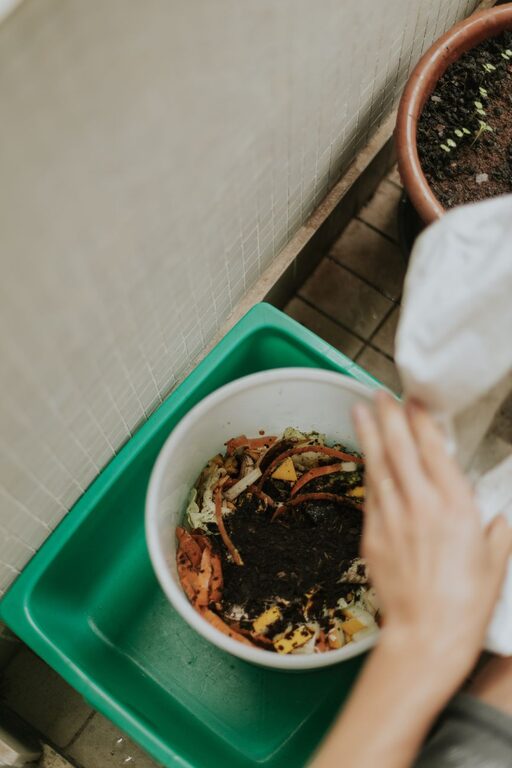
Composting at home is a fantastic way to reduce waste, enrich your garden soil, and contribute to a healthier environment. If you’re new to composting, it might seem a bit overwhelming at first. But with some straightforward tips and a little patience, you can start turning your kitchen scraps and yard waste into rich, nutritious compost in no time. This guide will walk you through the basics of home composting in a friendly, easy-to-understand way.
What is Composting?
Composting is the natural process of recycling organic material, such as food scraps and yard waste, into a dark, crumbly soil amendment known as compost. Compost improves soil health by adding nutrients and supporting beneficial microorganisms.
Why Compost at Home?
– Reduces waste: Composting keeps organic materials out of landfills, cutting down on methane emissions.
– Improves soil: Compost adds important nutrients, which help plants grow stronger.
– Saves money: You spend less on chemical fertilizers and garden soil.
– Supports the environment: Composting promotes a sustainable lifestyle by recycling natural resources.
Getting Started: Choosing a Compost Bin
Types of Compost Bins
- **Open piles:** Simple, no container needed. Easy to start but can be messy.
- **Tumbler bins:** Rotating barrels that make turning compost easier.
- **Stationary bins:** Enclosed boxes or bins to keep compost contained.
Choose one based on your space, budget, and how involved you want to be with turning the compost.
What Can and Cannot Be Composted?
Compostable Materials (Greens and Browns)
– Greens (Nitrogen-rich):
– Fruit and vegetable scraps
– Coffee grounds and tea bags
– Fresh grass clippings
– Plant trimmings
– Browns (Carbon-rich):
– Dry leaves
– Straw or hay
– Shredded paper and cardboard (non-glossy)
– Wood chips and sawdust (untreated)
Materials to Avoid
– Meat, dairy, and oily foods (can attract pests)
– Diseased plants
– Pet waste
– Coal or charcoal ash
– Synthetic chemicals or treated wood
How to Build Your Compost Pile
Step 1: Find a Good Location
Pick a spot in your yard with good drainage and some shade. A level, well-drained area helps control moisture and temperature.
Step 2: Layer Your Materials
Start your pile with a layer of coarse materials like twigs to help air flow. Then alternate layers of greens and browns:
– About 2-3 parts browns for every 1 part greens helps balance carbon and nitrogen.
– Avoid thick layers of one type; mixing supports decomposition.
Step 3: Keep Your Pile Moist
Your compost should feel like a wrung-out sponge—damp but not soaking wet.
Step 4: Turn Your Compost
Use a garden fork or compost aerator to turn your pile every 1-2 weeks. Turning introduces oxygen, which speeds up decomposition and prevents odors.
Troubleshooting Common Compost Issues
| Problem | Cause | Solution |
|————————-|——————————-|——————————————–|
| Bad smell | Too wet or too many greens | Add more browns and turn the pile |
| Compost not heating up | Not enough greens or pile too small | Add nitrogen-rich materials and increase pile size |
| Pests or rodents | Food scraps exposed | Cover food scraps with browns, use bin with a lid|
| Slow decomposition | Not enough oxygen or moisture | Turn pile more often, adjust moisture level|
Using Your Finished Compost
You’ll know compost is ready when it’s dark, crumbly, and earthy-smelling—usually in 2-6 months depending on conditions. Use it by:
– Mixing into garden beds as a soil amendment
– Adding to potting soil for container plants
– Using as mulch around trees and shrubs
– Top-dressing your lawn
Additional Tips for Successful Composting
– Chop or shred materials before adding to speed up breakdown.
– Avoid composting large amounts of citrus or onion skins as they can slow the process.
– Keep a small container in your kitchen for scraps to make collecting easier.
– Consider worm composting (vermicomposting) for indoor or small-space composting.
Final Thoughts
Starting a compost pile at home is easier than many people think. By following these beginner tips, you can create nutrient-rich compost that benefits your garden and the environment. Remember, composting is a natural process that takes time and care, but the rewards are well worth it!
Happy composting!